
As a provider, we will assist the person supported in making decisions regarding the support and services they receive. We will ensure that the person supported is active in any decision-making process. We clearly have an important role to play in recognizing and interpreting choices by people with limited communication. We will assure people support that the choice to follow a routine is their right and that if they make this choice they will not be penalized with adverse consequences. Every effort is made to encourage choice by creating an environment that is structured to promote choice making and to make the person supported aware of all choices available. People supported should be made aware of the service options that are available to them. Decisions regarding the type of services received should be made by the person supported, their legal representative (if applicable) and their Person-Centered Plan team.
Our Services
-
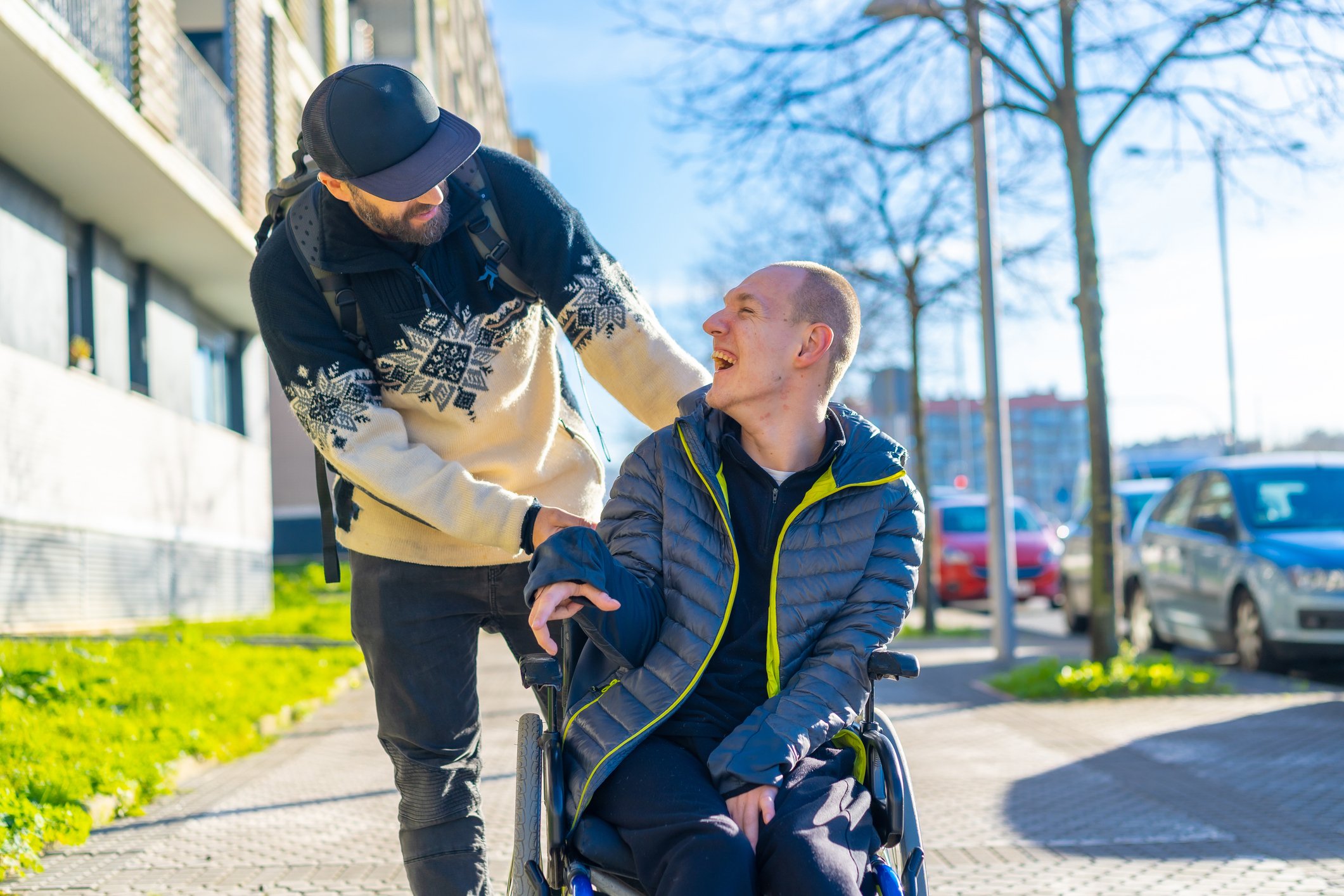
Shared Living Setting
Our Shared Living Services provide a unique and individualized approach to residential care for adults with intellectual and developmental disabilities. In a shared living setting, residents live in a family-like environment with a carefully matched caregiver, offering a supportive and nurturing home atmosphere. The focus is on fostering independence, enhancing quality of life, and promoting community participation. Residents receive personalized care tailored to their specific needs, allowing them to build meaningful relationships and achieve personal goals. This setting is ideal for those seeking a more intimate, home-like environment while receiving the support they need to thrive
-

Continuous Residential Services
Our Continuous Residential Services in group home settings offer safe, structured, and supportive living environments for adults with intellectual and developmental disabilities. The group home model focuses on providing a stable and nurturing atmosphere where residents can thrive and feel at home while receiving consistent, personalized care. Our dedicated staff work closely with individuals to support their independence, encourage community involvement, and help them achieve their personal goals. The group home setting is designed to provide a strong sense of belonging while ensuring that residents receive the necessary support to live fulfilling lives. This includes adult, youth, Therapeutic and Behavioral In-home habilitation services.
-

Vocational Services and Employment
Vocational Services support individuals with disabilities in developing the skills and experience needed to participate in meaningful work and community life. These services are habilitative in nature and are provided in real business settings or community environments, helping individuals build practical, job-related abilities in inclusive spaces.
Vocational programming may include Pre-Vocational Services, Small Group Vocational (Group Supported Employment), and Individual Supported Employment. Pre-vocational services focus on preparing a person to enter the workforce by building foundational skills such as following directions, workplace behavior, time management, communication, task completion, and problem-solving. As individuals grow in readiness, they may transition into small group vocational settings, where they work alongside peers with staff support, or individual supported employment, where a person works in a community job with tailored assistance to ensure success and independence.
Overall, vocational services promote growth, independence, and community connection — empowering individuals with disabilities to move toward their employment goals while being valued members of the workforce and their communities.
-
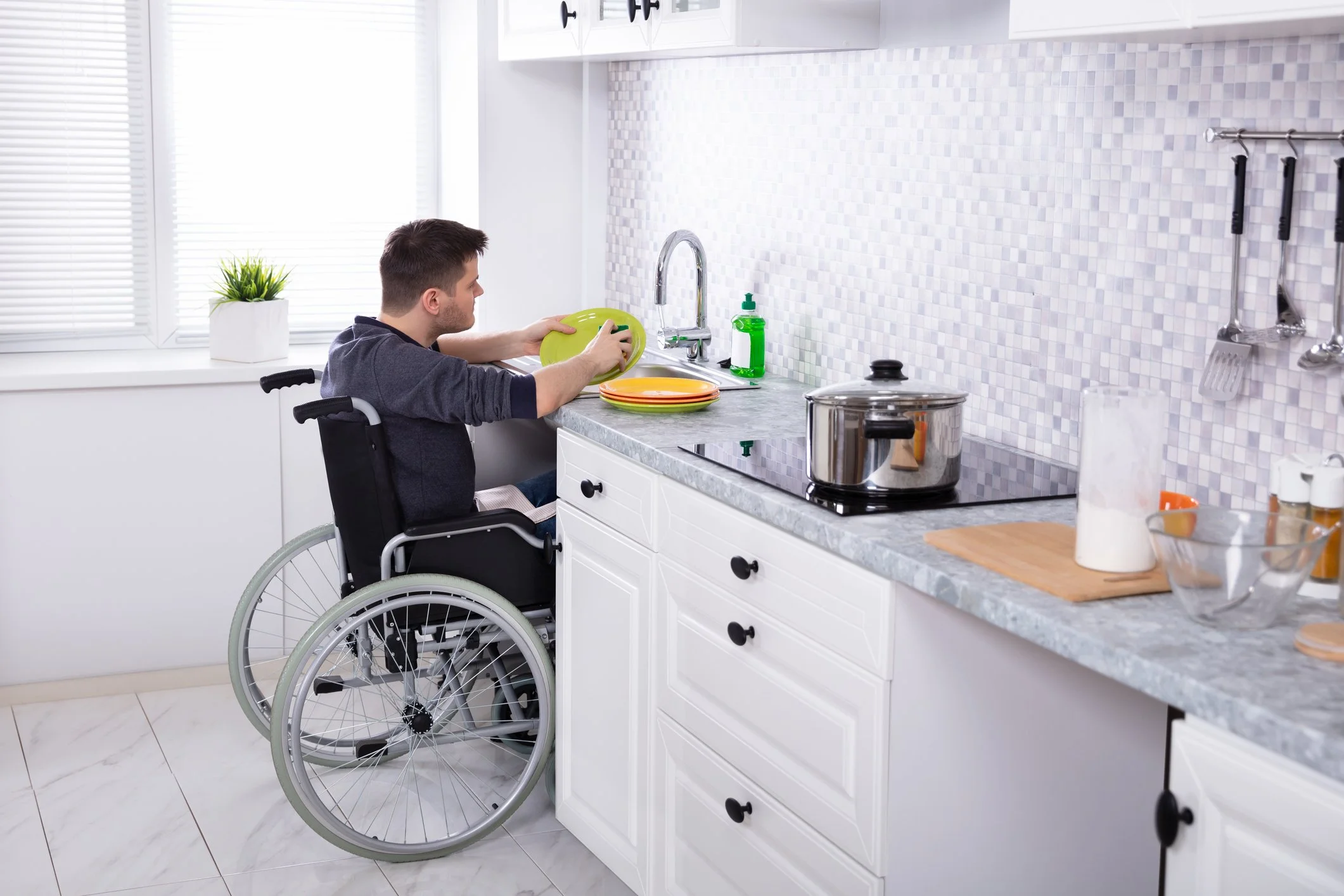
Independent Living Services
Independent Living services are delivered in the comfort of an individual’s own home, promoting independence in a familiar environment. A skilled provider assists with teaching essential life skills, such as managing daily routines, engaging in community activities, and maintaining overall health. Support is also offered in areas like personal care, social interactions, and leisure activities. This service is focused on helping individuals gain the confidence and abilities they need to live independently, while receiving ongoing, compassionate support from a dedicated team committed to their success.
-
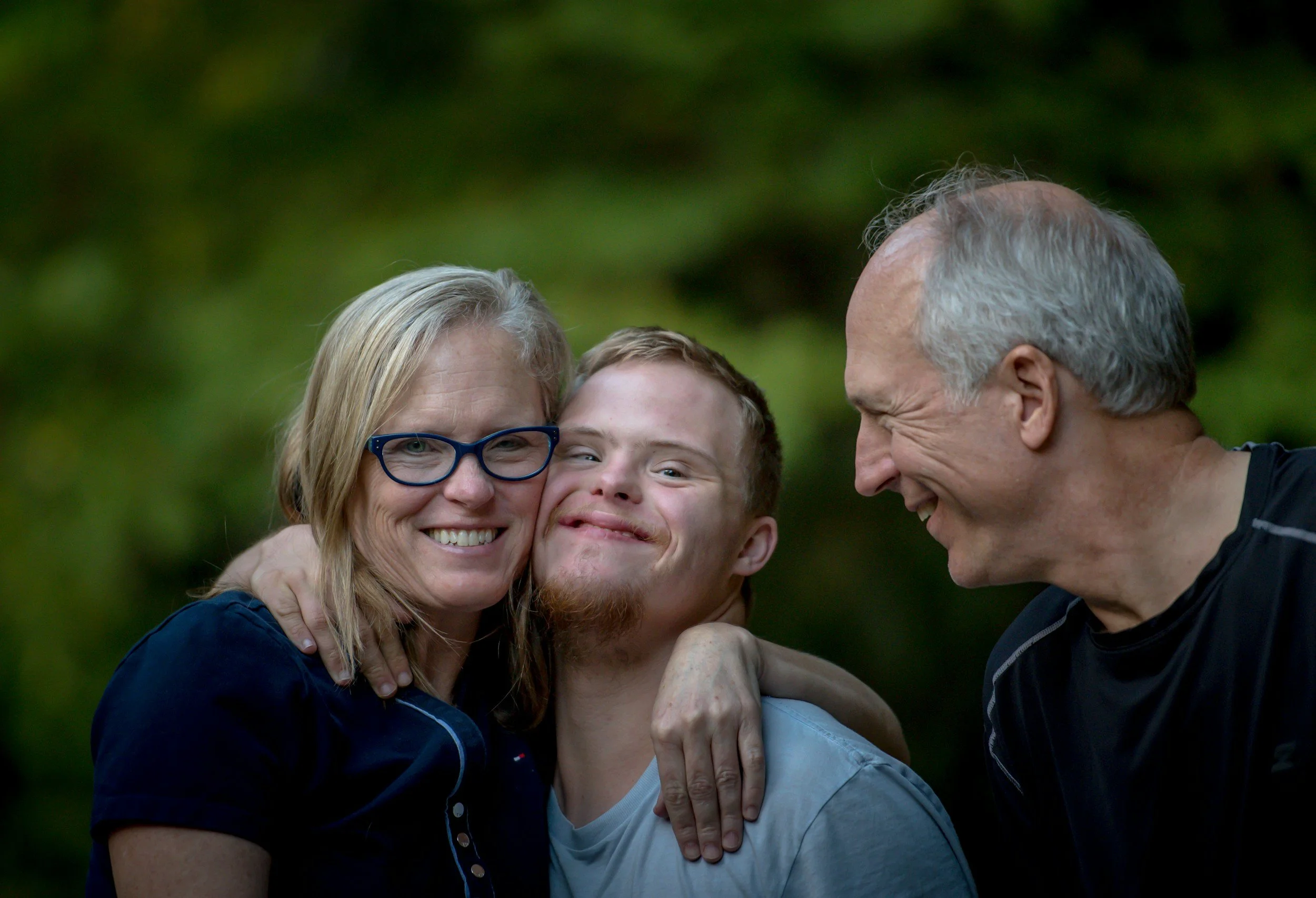
Family Supported Services
Supported Family Services provide essential assistance and resources to families caring for individuals with intellectual and developmental disabilities in the comfort of their own homes. These services are tailored to offer personalized guidance, advocacy, and practical support to meet the specific needs of both the individual and their family. Support may include help with daily activities, behavior management strategies, respite care, and coordination of additional services.
By providing care within the familiar environment of the individual's biological home, these services play a crucial role in early intervention and stabilization, helping prevent disruptions and promoting long-term success. The goal is to strengthen family connections, improve overall quality of life, and promote the well-being of everyone involved, ensuring a stable and supportive home environment for the individual to thrive.
-

Transportation
Transportation provides mileage or public transit costs so participants can access waiver services and community resources as outlined in their service plan. It is not to be used for Medicaid-covered medical transportation or where natural supports are available. Providers must ensure safety, proper vehicle insurance, and staff training. Rates are limited to public transportation fees or the state-approved mileage rate (adjusted based on provider type).
-

Transitional Services
Agency Consultation Services are designed to support developmental disabilities agencies in reviewing and enhancing their operations to improve overall effectiveness and care standards. We offer expert guidance to evaluate the impact of current policies and procedures, ensuring they are aligned with best practices and regulatory standards. Through a comprehensive review, we identify areas for improvement in infrastructure, staff management, and service delivery to create a more efficient and cohesive environment for both staff and clients.
We also specialize in staff training and development, helping agencies build strong, well-equipped teams capable of delivering high-quality care. Our training programs are tailored to meet the specific needs of each organization, with a focus on improving staff retention, ensuring that teams are well-supported and equipped with the skills necessary to manage complex cases effectively. This includes strategies to resolve citations.
Furthermore, we assist agencies in enhancing client retention by developing strategies that foster positive relationships with individuals and their families, creating a more stable and supportive environment for clients. Our consultation services also focus on improving placement standards, ensuring that individuals are placed in appropriate settings that promote their independence, safety, and quality of life.
-

Day Services
Adult and Child Day Services are designed to support individuals with disabilities in developing the skills needed to live fuller, more independent, and socially connected lives. These services focus on building social skills, adaptive functioning, activities of daily living (ADLs), community living abilities, and positive behavioral skills in supportive, structured environments.
Programs under day services may include Adult Day Services, Child Day Services, Community Integration, and Day Support. Each service provides opportunities for learning and growth through daily routines, group activities, and real-world experiences. Participants practice communication, decision-making, self-care, and interpersonal skills while receiving guidance tailored to their individual strengths and needs.
A central goal of these services is to promote as much community interaction as possible. Through outings, recreational activities, and community-based learning experiences, individuals build confidence navigating everyday settings such as stores, parks, restaurants, and community events. These experiences help foster independence, increase comfort in social environments, and strengthen life skills.
Overall, day services aim to promote normalcy, inclusion, and meaningful participation in the community. By focusing on ability, growth, and connection, these programs help individuals feel valued, capable, and engaged in the world around them.
-

Care Team Guidance
Family and Peer Mentoring and Caregiver Training services provide education, guidance, and supportive coaching to help families and caregivers effectively support individuals with disabilities. In alignment with Department of Health and Human Services (DHHS) principles, these services focus on strengthening the caregiver’s ability to promote independence, skill development, health, safety, and overall well-being.
Family and peer mentoring connects caregivers with trained professionals or experienced peers who offer practical strategies, emotional support, and shared knowledge. This may include problem-solving around daily routines, understanding behavioral needs, navigating service systems, and building advocacy skills. Peer support also helps families feel less isolated by connecting them with others who have similar experiences.
Caregiver training provides structured instruction to improve skills related to communication techniques, behavioral supports, crisis prevention, activities of daily living (ADL) assistance, and community integration. Training may also include guidance on reinforcing therapeutic goals, supporting adaptive skill development at home, and promoting positive, person-centered approaches.
Together, these services empower families and caregivers with the tools, confidence, and knowledge needed to support their loved ones in achieving greater independence and meaningful participation in home and community life.
-

Remote Services
Remote services are an approved method of delivering certain Home and Community-Based Services (HCBS) to participants using real-time, two-way electronic communication. These services are intended to support individuals in achieving independence and accessing habilitative supports while allowing for increased flexibility, especially when in-person services are not feasible. Remote service delivery is allowed for specific habilitative services such as independent living, supported family living, and employment supports. Services must be identified in the participant’s individual support plan (ISP), and the use of remote delivery must be documented as appropriate and effective for meeting the participant’s needs. All remote services must meet the same quality and outcome standards as in-person services. Providers must ensure secure technology, participant privacy, and that the participant is actively engaged during the remote session. The provider must maintain accurate documentation of service delivery, including dates, times, length of sessions, and what was addressed. Limitations include a cap of 10 hours per week of remote services per participant, regardless of the number or type of services delivered remotely. Remote services may not be used for personal care tasks or when physical assistance is needed for health or safety. All providers of remote services must be certified and follow Nebraska Department of Health and Human Services (DHHS) guidelines, including Electronic Visit Verification (EVV) when required.
-

Homemaker
Homemaker services involve assistance with general household tasks—such as cooking, cleaning, laundry, and errands—but explicitly exclude direct care or participant supervision. These services are provided by certified or independent providers, and are available only for participants under age 21 living in their family homes. They have an annual cap of 520 hours, cannot duplicate natural or other supports, and require Electronic Visit Verification (EVV). Transportation is not included in the rate, and the provider cannot reside in the same private residence as the participant.
-

Respite Service
Respite is defined as intermittent, temporary relief to the usual non-paid caregiver from the continuous support and/or care of the individual. Respite components are supervision, tasks related to the individual's physical and psychological needs, and social/recreational activities and are documented in the Person-centered plan.
-

Hospital Support
Hospital support is a short-term, non-habilitative service delivered during an inpatient hospital stay. It is designed to maintain skills and assist with basic daily living activities during recovery, without duplicating medical services provided by the hospital. The service is limited to 6 hours per day for up to 5 days per hospital stay and does not count against the participant’s annual budget. It requires prior approval and is only authorized when there is a documented health or safety need and natural supports are unavailable